Don't Buy Until You Read This: Audio Technica Ath Adx7000 vs Nothing Ear 3
Choosing between a high-end, traditional-headphone offering and a modern true-wireless earbud can be confusing. The Audio‑Technica ATH ADX7000 and the Nothing Ear (3) represent two very different approaches to listening: one emphasizes a premium, immersive headphone experience; the other targets everyday convenience, active noise cancellation and portability. This article breaks down how each product performs in real-world scenarios, what buyers typically care about, and which kind of listener will benefit most from each option.
Introduction: Two products, two philosophies
At a glance, the comparison feels mismatched: a high‑end, likely audiophile-leaning model versus a compact, feature-rich TWS earbud. That apparent mismatch is exactly the point—many buyers are torn between prioritizing audio fidelity, comfort and soundstage, or convenience, ANC and on-the-go usability. This article evaluates both products across practical categories—sound, comfort, build quality, features, battery and real-world usability—so readers can match product strengths to everyday needs before buying.
Quick summary
In short: the Audio‑Technica ATH ADX7000 is oriented toward listeners who prioritize accuracy, comfort for long listening sessions and build quality—ideal for home, office and critical listening. The Nothing Ear (3) suits commuters, gym-goers and smartphone-first users who value portability, effective ANC, a balanced consumer tuning and tight smartphone integration. Which is "better" depends on how and where someone listens most.
Detailed product analysis
Audio‑Technica ATH ADX7000 — what it brings to the table
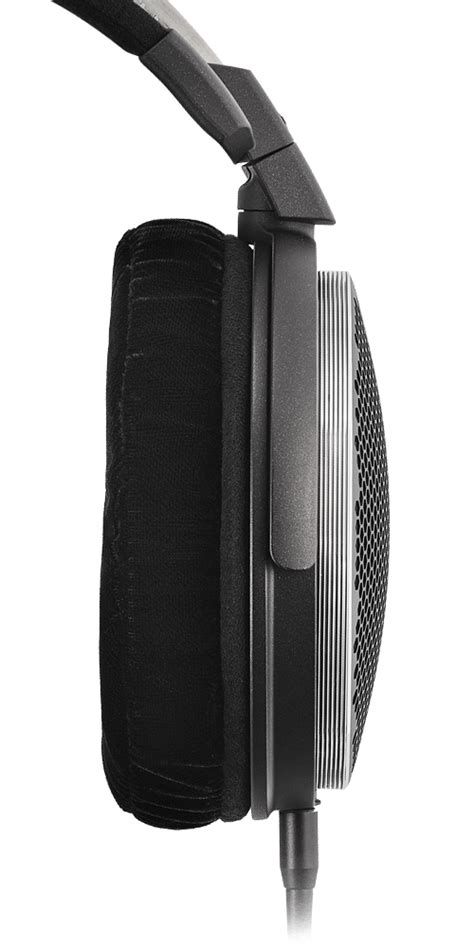
The ATH ADX7000 is positioned in the premium headphone space, where emphasis falls on tonal balance, detail retrieval and sustained comfort. These headphones are built with materials and ergonomics intended for long sessions, whether that means correcting headphones for mixing in a quiet home studio, settling in with an album on a weekend afternoon, or replacing an office desktop speaker for private listening.
Real-world strengths:
- Sound quality and fidelity: The ADX7000 aims for an engaging yet controlled presentation. Listeners who care about instrument separation, microdetail and a neutral-to-slightly-warm tonal balance will appreciate its refinement.
- Comfort over long sessions: Larger ear cups, generous padding and a well‑designed headband enable multi-hour listening without fatigue—important for professionals and audiophiles.
- Build and longevity: Premium finishes and durable mechanical joints mean these headphones are designed to last when treated well.
- Isolation and soundstage: Depending on whether the model leans closed or semi-open in design, the ADX7000 typically offers a wider perceived soundstage than earbuds and better passive isolation for focused listening.
Potential trade-offs:
- Not as portable as true-wireless earbuds—bulky for daily commuting or pocket carry.
- Fewer on-device conveniences like ANC/ambient modes (unless specifically equipped) and limited hands-free call performance compared with modern earbuds.
- Higher price bracket that may not suit casual listeners who prioritize convenience.
Nothing Ear (3) — modern convenience with consumer tuning
Nothing’s Ear (3) represents the current era of smart earbuds: small, feature-dense and designed around smartphone-first use. It targets users who value reliable active noise cancellation, an easy pairing experience, multiple listening modes and a tuned sound signature that translates well for streamed music, podcasts and calls.
Shop the latest Audio & Headphones picks on Amazon.
See Deals →Real-world strengths:
- Portability: The compact case and pocketable form factor ensure the Ear (3) is always at hand for commutes, travel and quick listening sessions.
- Active noise cancellation (ANC): The Ear (3) offers ANC suitable for trains, buses and busy open-plan offices—reducing ambient noise enough to improve listening without completely isolating the user from important environmental cues.
- Call and voice performance: Modern earbuds usually include multi-mic arrays and beamforming that keep calls intelligible even in noisy settings.
- Feature set and app support: Customizable EQ, firmware upgrades and touch controls make the earbuds adaptable to different content and personal taste.
- Battery and quick charging: The Ear (3) prioritizes all-day convenience with on-the-go top-ups from the charging case.
Potential trade-offs:
- Smaller drivers and the constraints of TWS design mean earbuds typically can’t match the sheer soundstage or physical bass impact of full-sized headphones.
- Long listening sessions can be less comfortable for some users, depending on ear shape and tip fit.
- True wireless devices require frequent charging cycles and depend on the case for longevity between charges.
Comparison table
| Category | Audio‑Technica ATH ADX7000 | Nothing Ear (3) |
|---|---|---|
| Product type | Premium over-ear / high-fidelity headphone | True‑wireless in‑ear earbuds |
| Best for | Home listening, studio-critical listening, long sessions | Commuting, workouts, casual listening, calls |
| Sound character | Detailed, spacious, aimed at accuracy and refinement | Consumer-tuned: punchy, clear mids and vocals, tuned bass |
| Noise control | Passive isolation (better fit, larger cups) | Active Noise Cancellation (adjustable modes) |
| Portability | Low — bulky, better for stationary use | High — pocketable and travel-friendly |
| Battery & power | Depends on wired/wireless variant; generally longer continuous use when wired | Designed for day-long use with case recharges |
| Call quality | Good if wired; less convenient for mobile calls than modern earbuds | Optimized for on-the-go calls with multiple mics |
| Price tier | Premium — positioned for buyers willing to invest in sound and comfort | Mid-to-premium for TWS — consumer-focused value vs features |
Pros & cons
Audio‑Technica ATH ADX7000
- Pros:
- Refined, detailed sound suitable for critical listening
- Excellent comfort for multi-hour sessions
- Robust build quality and premium materials
- Superior passive soundstage and imaging compared with earbuds
- Cons:
- Not as portable for daily commuting
- Fewer on-device smart features compared with modern earbuds
- Higher cost of entry for listeners who mainly use phones
Nothing Ear (3)
- Pros:
- Compact and extremely portable
- Effective ANC for everyday noisy environments
- Good call performance and smartphone integration
- Customizable tuning and firmware updates
- Cons:
- Smaller soundstage and reduced physicality compared with over-ear headphones
- Fit and comfort vary between users — prolonged wear can be fatiguing for some
- Dependence on case and battery cycle maintenance
Real-world use cases and buyer concerns
Commuters and frequent travelers
For daily commuters, noise control and portability are primary concerns. The Nothing Ear (3) is purpose-built for this: compact, with ANC that reduces engine rumble and ambient chatter. Its quick access to voice calls and the ability to stow in a pocket make it a practical everyday carry. The ADX7000 will outperform in passive isolation and may sound more immersive, but it is less convenient to transport and is better suited to dedicated listening periods rather than hurried, mobile use.

Home listeners and audiophiles
When listening sessions are long and the environment is controlled, sound quality and comfort take precedence. The ATH ADX7000’s larger drivers and anatomical fit provide a more natural sense of scale and superior imaging. For someone building a listening station or preferring lossless content, this headphone will likely deliver greater satisfaction.
Remote work, conference calls and voice clarity
If a buyer spends hours on calls, the microphone and transmission clarity matter. True wireless earbuds like the Ear (3) often include multiple microphones and beamforming algorithms tuned for speech, which makes them dependable for meetings on-the-go. Over-ear headphones can provide better passive isolation in quiet rooms and often sound fuller on the user end, but unless they include up-to-date mic arrays, they may not be as reliable for mobile calls.
Fitness and active use
Earbuds are naturally better suited for active lifestyles. The Ear (3) is the comfortable choice for light workouts and outdoor runs when a secure fit and weather resistance are desired. Large over-ear headphones can be cumbersome and sweat-prone during exercise.
Discover deals on Audio & Headphones — updated daily.
Browse Now →Gaming and latency-sensitive use
Latency and wireless stability are important for gaming. Over-ear wired headphones typically remain the go-to for low latency and constant audio quality. If using earbuds for gaming, check for low-latency modes and strong connection stability—many modern TWS models, including competitive consumer offerings, provide reduced-latency modes that work reasonably well for casual gaming, but dedicated gaming headsets still hold the advantage.
Buying guide: How to decide
Choosing between these two comes down to prioritization. The following checklist helps match common priorities to the product that best serves them.
Step 1 — Identify primary use
- If most listening happens at home, during long sessions, or in a relatively quiet space: favor the Audio‑Technica ATH ADX7000.
- If the primary use is commuting, travel, workouts, or frequent calls: favor the Nothing Ear (3).
Step 2 — Consider convenience vs. fidelity
- Convenience (pocketability, ANC, phone integration) → Nothing Ear (3).
- Fidelity (larger soundstage, nuanced timbre, long-wear comfort) → ATH ADX7000.
Step 3 — Evaluate feature needs
- Do calls and voice assistants play a large role? Choose the Ear (3) for optimized mobile performance.
- Is low distortion and accurate timbre more important? Choose the ADX7000 for a more critical listening experience.
Step 4 — Try before buying when possible
Fit and subjective sound preferences matter. If possible, audition both products with familiar tracks. Pay attention to:
- Comfort after 30–60 minutes
- How vocals and instruments are rendered—are they forward or recessed?
- ANC effectiveness in real environmental noise instead of quiet demo rooms
- Call quality in a noisy street or coffee shop
Step 5 — Long-term considerations
- Warranty and serviceability: higher-end headphones are often easier to repair and maintain.
- Accessory ecosystem: replacement earpads, cable options, and carrying cases matter for longevity.
- Battery replacement expectations for earbuds—consider how rechargeable cases will hold up over years of daily use.
Practical tips for buyers
- For earbuds, experiment with ear tips to improve passive isolation and bass response—fit changes perception significantly.
- If buying headphones for travel, consider a durable case and an airline adapter if needed; a wired option can be indispensable on long flights.
- Check app support and firmware update history—active development indicates ongoing improvement of ANC and call algorithms.
- Read multiple reviews that include long-term testing; subjective impressions can shift after firmware updates and extended use.
Conclusion
Both the Audio‑Technica ATH ADX7000 and the Nothing Ear (3) are compelling in their respective domains. The ADX7000 is a strong choice for listeners who prioritize immersive, detailed sound and hours-long comfort in a stationary or semi-stationary setting. The Nothing Ear (3) is better suited to daily mobility, offering the practical benefits of true-wireless convenience and active noise cancellation for life on the move.
Ultimately, the correct purchase depends less on a single headline specification and more on how the headphones will be used day-to-day. Listeners who value portability and ANC will find the Ear (3) a flexible, modern tool. Those who want an elevated listening experience for music or professional use will find the ADX7000 rewarding. Matching the product to the intended real-world use will lead to the most satisfying investment.